Definition and objectives of each treatment
Did you know that 70% people experience skin problems due to the buildup of dead skin cells? If you're part of this group, it's time to talk about it. facial peel and deep cleansing, two treatments that can transform your skin in the blink of an eye.
Facial Peeling: Chemical Exfoliation
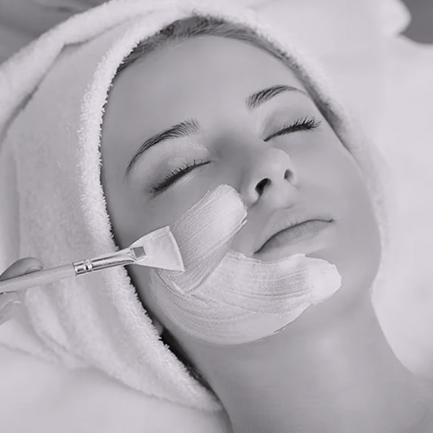
A facial peel is like a mini-vacation for your face. It uses acids like glycolic or salicylic to remove dead skin cells and promote cell renewal. This treatment not only improves skin texture but also combats blemishes and minimizes the appearance of pores. Imagine waking up with radiant, smooth skin; that's what a good peel can do for you.
- Removes dead cells.
- Improves facial radiance.
- Reduces signs of aging.
- It offers gentle chemical or enzymatic exfoliation.
Deep Cleaning: The Manual Approach
On the other hand, a deep cleansing is similar to an intense gym session, but for your face. This treatment focuses on removing impurities and excess oil through manual methods. It's ideal for those who struggle with acne or have oily skinas it helps to unclog pores and prevent future breakouts.
- Unclogs pores.
- Removes impurities and excess fat.
- It provides essential post-treatment care.
- Ideal for acne-prone skin.
Both treatments have their unique benefits, but choosing the right one depends on your skin type and specific goals.
Remember to consult with a professional before deciding on one or the other; they can guide you towards the most suitable treatment according to your needs.
In short, while a facial peel offers deep chemical exfoliation that rejuvenates your skin, a deep cleanse is perfect for keeping it free of impurities. So think about what your face really needs before making a decision.
Types of facial peels and their specific applications
Did you know that facial peels can be as varied as a gourmet menu? Not all peels are created equal, and each type has its own set of benefits and applications. From chemical to enzymatic peels, each is designed to address different skin concerns.
Chemical Peeling: The Power of Acid
Chemical peels are like a superhero for your skin. They use acids like glycolic and salicylic to deeply exfoliate and remove dead skin cells. This type is ideal if you're looking to improve skin texture, reduce blemishes, or combat signs of aging. But don't worry, it's not torture: many treatments are formulated to be gentle, even for the most sensitive skin.
Enzymatic Peeling: The Gentle Option
If you have more sensitive skin or simply prefer something less harsh, an enzyme peel is your best friend. It uses natural enzymes (like those found in pineapple or papaya) to break down dead skin cells without irritating the skin. It's perfect for those looking for a gentle exfoliation that still delivers visible results.
Mechanical Peeling: The Classic Manual
Mechanical peeling is like weight training: effective, but it requires technique. This method involves using physical exfoliants (like microdermabrasion) to remove the skin's surface layers. It's ideal for those seeking quick and effective skin renewal, although caution is advised if you have sensitive skin or pre-existing conditions.
Professional Peeling vs. At-Home Peeling
Why can't I do a peel at home? This is a common question among those looking to save time and money. While there are products available for home use, nothing compares to a professional treatment performed by an expert. A professional peel not only guarantees safer and more effective results but also allows for a customized treatment tailored to your specific needs.
Remember that each type of peel has its own indications; it is best to consult with a professional before deciding which one is right for you.
First Free Consultation
In order to offer an exact price, a free initial appointment at our clinic is required to assess the case.
Each patient is unique and requires personalized treatment adapted to their needs.
Deep cleaning methods and their associated techniques
If you've ever felt like your skin is dirtier than a plate at a fast-food restaurant, it's time to consider deep cleansing methods. This technique isn't just about removing the day's oil and makeup; it's an essential ritual for keeping your face fresh and radiant.
Mechanical Exfoliation: The Classic
Mechanical exfoliation is like doing a deep clean at home: it requires a little more effort, but the results are noticeable. Use physical tools like facial brushes or scrubs to remove dead skin cells. This method is ideal if you're looking for a smooth, even skin texture. However, be careful: if you have sensitive skin, you might end up with more redness than radiance.
Chemical Exfoliation: Acids to the Rescue
This is where chemical heroes like glycolic acid and salicylic acid come in. These powerful allies penetrate the skin to dissolve dead cells from the inside out. Ideal for those seeking facial rejuvenation or blemish removal, chemical peels can be gentle or intense depending on the type of acid used. It's like having a mini-spa at home, but with much faster results.
- Removes dead cells.
- Improves facial texture and luminosity.
- Reduces blemishes and minimizes open pores.
- Ideal for anti-aging treatments.
Deep Steam Cleaning: The Spa at Home
Why can't I do this at home? Many people wonder when they see how relaxing a deep cleansing steam session seems. This method opens the pores and allows for more effective extraction of impurities. In addition, the steam helps prepare the skin to receive subsequent treatments, such as masks or serums. But be warned: if you have rosacea or extremely sensitive skin, this method might not be the best option for your face.
Deep cleansing can be a game-changer in your facial care routine; be sure to choose the right method for your skin type.
Always remember to consult a professional before trying new methods; they can help you find what your skin really needs.
Ultimately, choosing between these techniques really depends on your skin's current condition and your personal goals. Whether you're looking for a quick skin refresh or simply want to maintain that coveted radiance, consider incorporating suitable methods into your weekly routine.
Short- and long-term effects on skin health
Did you know that 90% of people who undergo a facial peel report a noticeable improvement in their skin texture in just two weeks? But it's not all sunshine and roses; the short- and long-term effects of this treatment can vary more than the weather in Malaga.
Short-Term Effects
Immediately after a facial peel, your skin may feel like it's been on an emotional rollercoaster. From slight redness to a feeling of tightness, these are common effects. This happens because the acids, such as glycolic and salicylic, are working hard to remove dead skin cells and promote cell renewal.
- Rapid improvements in facial radiance.
- Softer texture to the touch.
- Visible reduction of facial blemishes.
- Minimization of open pores.
However, caution is advised. Your skin may be sensitive for several days afterward. Avoiding the sun and applying a good sunscreen is crucial to prevent further damage. So, if you have an important event planned, schedule your facial peel well in advance.
Long-Term Effects
Patience is a virtue, especially when it comes to skincare. In the long run, the benefits of facial peels can be as rewarding as finding money in an old coat. With regular treatments, you can expect significant improvements in your skin's overall texture and a noticeable reduction in the signs of aging.
- Effective facial rejuvenation with long-lasting results.
- Improve skin texture thanks to constant cell renewal.
- Reduce facial blemishes and prevent their future appearance.
- Smooth, radiant skin that makes your facial care products absorb better.
Post-peeling care is essential to maximize these long-term benefits.
Remember: every skin type reacts differently; it's best to consult a professional before starting any treatment.
So there you have it: facial peeling not only offers immediate results, but also lasting benefits if you incorporate it properly into your skincare routine.
Considerations according to skin types and specific conditions
A facial peel isn't a one-size-fits-all treatment; it's more like a custom-made suit tailored to your skin's specific needs. If you think you can just jump into a peel without considering your skin type, think again. For example, someone with sensitive skin could end up with more irritation than radiance if they opt for a potent acid without proper precautions.
Dry and Sensitive Skin: Gentleness is Key
If your skin tends to be dry or sensitive, chemical peels might seem intimidating, but fear not. Opting for gentle chemical exfoliants like lactic acid can be the ideal solution. This type of peel helps remove dead skin cells without stripping your skin of its natural moisture. Enzyme peels are also a great option for those looking for something less harsh. It's like giving your face a gentle hug!
Oily and Acne-Prone Skin: Potency and Caution
For those with oily or acne-prone skin, a salicylic acid facial peel can be the hero you need. This acid penetrates deep into the pores, helping to unclog impurities and reduce breakouts. But be careful: if you overdo it with the frequency of the treatment, you could end up irritating your skin instead of improving it.
Combination Skin: Balance is Essential
People with combination skin face the dilemma of balance. This is where customized treatments come in. Alternating between gentle chemical peels for dry areas and stronger exfoliants for oily areas can give you the best of both worlds. It's all about finding that perfect balance!
Remember: Always perform a patch test before applying any new treatment to ensure your skin does not react negatively.
Always consult a professional before deciding which type of facial peel is right for you; they can offer recommendations based on your specific needs.
First Free Consultation
In order to offer an exact price, a free initial appointment at our clinic is required to assess the case.
Each patient is unique and requires personalized treatment adapted to their needs.
Risks, side effects and contraindications
Did you know that up to 30% of people who undergo a facial peel experience side effects? Although it's a popular treatment for skin rejuvenation, it's not without risks.
Common Side Effects
After a facial peel, your skin may feel like it's been through a storm. Some common side effects include:
- Redness and inflammation.
- Skin peeling or flaking.
- Burning or itching sensation.
- Temporary increase in sensitivity to the sun.
These symptoms are usually temporary and can last from a few days to a week, depending on the type of peel. However, if you experience more severe reactions such as blisters or infections, it is crucial to consult a professional immediately.
Who Should Avoid Facial Peeling?
While facial peels can be beneficial for many people, certain groups should be cautious. For example:
- * People with extremely sensitive skin or conditions such as rosacea.
- * Those who are taking medications that increase skin sensitivity (such as some antibiotics).
- * Pregnant or breastfeeding women (some acids may not be safe).
* Always consult a dermatologist before undergoing a facial peel if you belong to any of these groups.
Post-Peeling Care: The Key to Minimizing Risks
Post-peel care is essential to ensure your skin recovers properly and to minimize risks. Here are some recommendations:
- Avoid sun exposure and use sunscreen with a high SPF.
- Moisturize your skin regularly with gentle, fragrance-free creams.
- Don't scratch or try to remove the scabs; let them fall off naturally.
- Consult your dermatologist if you notice any unusual effects during the healing process.
Remember: proper aftercare can make the difference between a positive experience and a complicated one.