Mechanisms of action of HIFU and Botox
Did you know that HIFU can stimulate collagen production up to 300% more than traditional treatments? This is not only impressive, but it also underscores the effectiveness of high-intensity focused ultrasound in facial rejuvenation. Meanwhile, Botox works in a completely different way, offering a quick but temporary solution for wrinkles.
How does HIFU work?
HIFU treatment uses ultrasound waves to penetrate deep into the skin, reaching the subcutaneous layers where collagen is produced. Through this localized heat, a tightening effect is created in the skin, resulting in a visible reduction of wrinkles and sagging. This non-invasive method has become a popular alternative to surgical facelifts, as it offers long-lasting results without the need for surgery.
HIFU results can last between 6 months and 2 years, depending on skin type and aftercare.
The magic of Botox
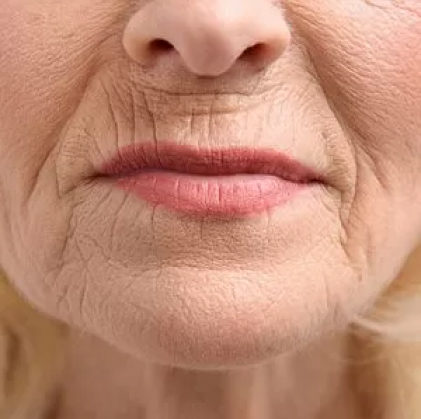
On the other hand, Botox acts as a muscle relaxant. When injected into specific areas of the face, it blocks the nerve signals that cause muscle contractions. This means that dynamic wrinkles—those that appear when we smile or frown—are smoothed almost instantly. However, its effects are temporary, generally lasting between three and six months before touch-ups are needed.
- HIFU: Stimulates the natural production of collagen.
- Botox: Relaxes muscles to smooth wrinkles.
- HIFU: Long-lasting results (up to 2 years).
- Botox: Temporary effect (3-6 months).
The cost of HIFU treatment can vary between aesthetic clinics in Spain, but the investment is usually more cost-effective in the long run compared to regular Botox touch-ups.
Imagine ClaraA 45-year-old woman seeks to improve her facial appearance without resorting to surgery. After researching non-invasive treatments like HIFU and Botox, she decides to try both. Following her first HIFU session at a cosmetic clinic in Madrid, she notices how her skin feels firmer and more toned. Meanwhile, she also had Botox injected to address those pesky wrinkles around her eyes. The combination provides an instant and lasting boost.
Conclusion
Both treatments have their merits. HIFU offers a non-surgical facelift with long-lasting results thanks to natural collagen regeneration, while Botox provides a quick but temporary solution for dynamic wrinkles. The choice between them will depend on your specific needs and expectations regarding the results.
First Free Consultation
In order to offer an exact price, a free initial appointment at our clinic is required to assess the case.
Each patient is unique and requires personalized treatment adapted to their needs.
Duration and expected results of each treatment
Did you know that HIFU treatment can offer visible results for up to two years after a single session? That's like finding a €50 note in a coat you haven't worn since last winter. Meanwhile, Botox, while effective, requires regular touch-ups every three to six months. So, if you're someone who prefers to avoid frequent visits to the aesthetic clinic, HIFU could be your best ally.
Duration of HIFU treatment
HIFU treatment typically takes between 30 and 90 minutes, depending on the area being treated. During the session, focused ultrasound waves are applied that penetrate the deeper layers of the skin. Most patients notice an immediate improvement in skin firmness and texture, but optimal results usually appear two to three months after the procedure, when collagen production is activated.
- One session with lasting results.
- Visible effects after two or three months.
- Recommended maintenance every 12-18 months.
Expected results with Botox
Botox works quickly; results are visible within 24 to 72 hours. However, its effect is temporary: you'll need to return for another treatment every three to six months to maintain that fresh, youthful appearance. It's like your skin is in an on-again, off-again relationship—you always have to make peace with it.
- Immediate results.
- Effective duration between 3-6 months.
- It requires regular maintenance.
A study showed that HIFU can significantly improve skin laxity in various facial areas, showing a 50% reduction in wrinkles after several sessions (source: PMC4695420).
In summaryIf you're looking for a quick fix and don't mind returning to the doctor every few months, Botox might be ideal. But if you prefer a longer-lasting, less invasive approach, HIFU treatment is the way to go. Ultimately, it all comes down to your aesthetic priorities and how you want to manage your time and budget.
Ideal patient profile for HIFU and Botox
Imagine Laura, a 38-year-old woman who feels her skin has lost its youthful glow. She works in an office and spends hours in front of a screen, which has taken its toll on her face. After doing some research, she comes across two options: HIFU and Botox. Which is best for her?
Who are the ideal candidates for HIFU?
HIFU treatment is perfect for those seeking a non-surgical facelift. It's ideal for people with moderate skin laxity, especially those between 30 and 60 years old who want to improve the appearance of wrinkles without surgery. Furthermore, those with an active lifestyle who prefer non-invasive procedures will benefit greatly.
It's also a great option for those who have noticed changes in their skin's firmness due to aging or environmental factors. If your priority is firmer skin with lasting results, HIFU treatment can be your best ally.
And what about Botox?
On the other hand, Botox appeals to those seeking immediate results. It's ideal for people with dynamic wrinkles—those lines that appear when smiling or frowning—who don't have time to wait months for results. The age range here is usually broader, from 25 to 50 years old.
If you're someone who isn't afraid of needles and is looking for a quick solution to smooth out those facial wrinkles, Botox might be your best option. However, keep in mind that you'll need touch-ups every few months.
HIFU is perfect if you want long-lasting results without surgery; Botox is ideal if you're looking for an immediate change.
One study indicates that HIFU can offer significant improvements in skin laxity, showing up to 50% fewer wrinkles after several sessions (source: https://pubmed.ncbi.nlm.nih.gov/36674277/).
In short, if you feel like Laura—looking to rejuvenate your face—consider your priorities: Do you prefer a longer-lasting treatment like HIFU, or do you need something quick like Botox? The key is understanding what you hope to achieve with your cosmetic treatment.
Side effects and risks associated with HIFU and Botox
Although HIFU and Botox are popular treatments in the aesthetics world, they're not exactly a walk in the park. The side effects can be as varied as opinions on what's better: coffee or tea. And while both procedures can offer amazing results, they also come with their own set of risks.
Side effects of HIFU treatment
Although HIFU treatment is non-invasive, it can leave some marks. Some patients report minor discomfort such as redness, swelling, or tenderness in the treated area. The good news? These effects usually disappear within a few hours or days. However, there are rare cases where superficial burns or temporary changes in skin sensitivity have been reported.
Choosing an experienced aesthetic clinic is essential to minimize these risks.
Risks associated with Botox
On the other hand, Botox is not without complications. Although it is considered safe when administered by a trained professional, side effects can include pain at the injection site, swelling, or bruising. Less commonly, some patients experience muscle weakness near the treated area or even temporary drooping of the eyelid.
- HIFU: Temporary redness and tenderness.
- Botox: Bruising and pain at the injection site.
- HIFU: Possibility of superficial burns (rare).
- Botox: Temporary drooping of the eyelid (in rare cases).
One study indicates that HIFU side effects are generally mild and temporary, but it is always advisable to consult a specialist before treatment (source: https://pubmed.ncbi.nlm.nih.gov/37759497/).
Current trends in aesthetic medicine: HIFU vs. Botox
The battle between HIFU and Botox is at its peak. While HIFU stands as the champion of non-surgical facial rejuvenation, Botox remains the king of quick touch-ups. But what does the current trend say about these two options?
The rise of HIFU
In recent years, the popularity of HIFU treatment has grown exponentially, especially in cities like Madrid. The reason? The combination of long-lasting results and a non-invasive approach appeals to those looking to avoid surgery. According to a recent study, approximately 75% of people who opt for cosmetic treatments prefer non-invasive options like HIFU.
HIFU treatment can offer a visible reduction in wrinkles and firmer skin with just one session.
The classic Botox: is it still relevant?
Despite the rise of HIFU, Botox remains popular. Many still value its immediate effectiveness in smoothing dynamic wrinkles. However, the need for frequent touch-ups can be a deterrent for some. The trend shows that more and more people are seeking alternatives to treatments that require frequent maintenance.
- HIFU: Long-lasting results and fewer sessions needed.
- Botox: Immediate effect but requires touch-ups every few months.
- HIFU: Ideal for those seeking a non-surgical facelift.
- Botox: It attracts those who need quick solutions.
Aesthetic clinics in Spain are adapting their offerings to include more non-invasive treatments such as HIFU, reflecting the growing demand for safe and effective options.
In conclusion, While Botox remains popular for its speed and effectiveness, HIFU treatment is rapidly gaining ground thanks to its long-lasting benefits and less invasive approach. The choice between the two will depend on your aesthetic priorities and lifestyle; whether you're looking for something quick or something that lasts longer without frequent doctor visits.
First Free Consultation
In order to offer an exact price, a free initial appointment at our clinic is required to assess the case.
Each patient is unique and requires personalized treatment adapted to their needs.
Testimonials and opinions on HIFU and Botox: a critical analysis
Opinions on HIFU and Botox are as varied as the types of coffee in a hipster café. While some will swear that high-intensity focused ultrasound is the eighth wonder of the aesthetic world, others won't hesitate to say they prefer the immediacy of Botox. What do users really say about these treatments?
Voices in favor of HIFU
Many patients who have opted for HIFU treatment highlight the feeling of firmness in their skin after the sessions. Marta, a 42-year-old mother of two, comments: “After my HIFU treatment, I noticed that my skin felt tighter and more youthful. Even my friends noticed!” Furthermore, the long-lasting results are a major draw: with just one session, some report visible effects for up to two years afterward.
The best part is that there's no downtime, adds Juan, a 50-year-old executive. I finished treatment and went right back to work as if nothing had happened. It's perfect for people with busy schedules.
HIFU results can offer an attractive alternative to surgical facelifts without the need for long recovery periods.
And what do Botox fans think?
"Botox is like having a reset button for my face," says Ana, a 35-year-old graphic designer. For her, the speed of the procedure is key: "In less than an hour I'm ready to go out to dinner with my friends, and the wrinkles disappear almost instantly!"
It's true I need touch-ups every six months, but it's worth it, adds Carlos, a 45-year-old businessman with a very active lifestyle. For him, the immediacy of Botox outweighs any drawbacks related to its limited duration.
The immediate effect of Botox is hard to beat; it's like magic in small bottles.
Comparing experiences: what do the experts say?
Both treatments have their place in the world of aesthetics, notes Dr. López, a specialist in aesthetic medicine in Málaga. HIFU is ideal for patients seeking long-term results without surgery, while Botox remains the preferred option for those who need quick and effective results.
However, Dr. López adds, it's important to remember that every patient is unique. What works for one person may not be suitable for another. This reinforces the idea of personalizing treatments according to individual needs.